
Complete the form and we’ll be in touch.
In the early days of our government work, during the energy crisis of the 1970s, the focus was on installing films that helped control the heat from the sun entering buildings through unprotected glass. Known as solar heat gain, these rays created intolerable heat to office workers sitting next to the impacted windows.
This also was a time of the oil embargo and first modern energy crisis. Building owners previously unconcerned about their utility bills because of cheap prices suddenly saw their bills double and triple seemingly overnight.
were developed as sun control devices. They were effective but manufacturing them was complicated and they were expensive to buy and install.
Eventuall, large companies started manufacturing sun control films that were installed on the interior of the windows. These films were easy to make and easier to install than the mesh screens. They proved to be very effective in controlling solar heat gain.
The federal government needed to set an example for the private sector as they were touting energy conservation measures. Commercial Window Shield quickly became a leader in installing solar control films on the windows of federal governments buildings primarily in Washington but in other regions as well.
the federal government began to install a new type of film on the windows of their buildings. Initially called fragment retention or shatter resistant window films, these films were designed to increases the shatter resistance of glass during catastrophic blasts such as terrorist attacks or natural gas explosions, and natural weather disasters, such as hurricanes and tornadoes.
The films were developed following the bombing of the Alfred P. Murrah Federal Building in downtown Oklahoma City, Okla. on April 19, 1995. The blast, which impacted buildings for several blocks, killed 168 people and injured nearly 700. Many of the deaths and injuries were the result of flying glass shards.
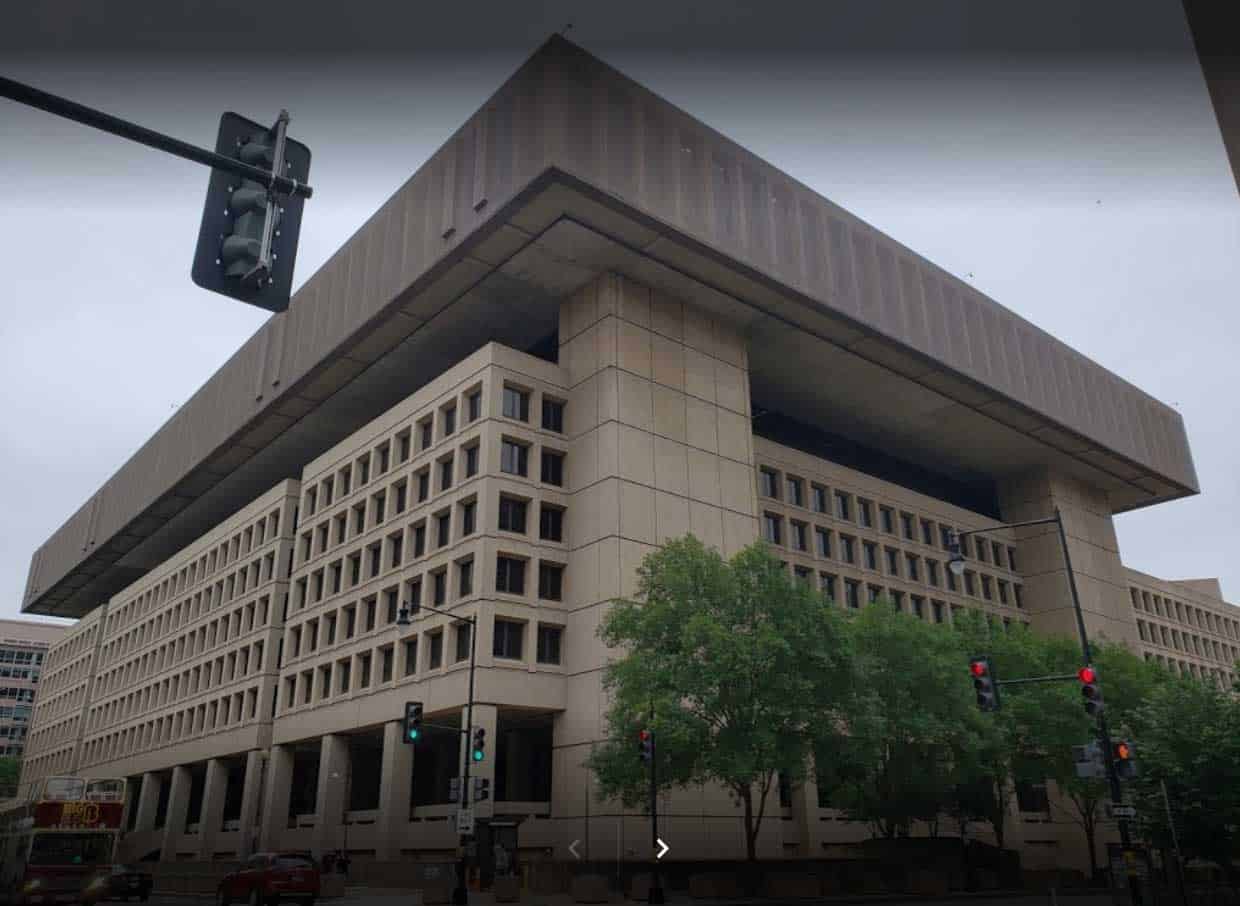
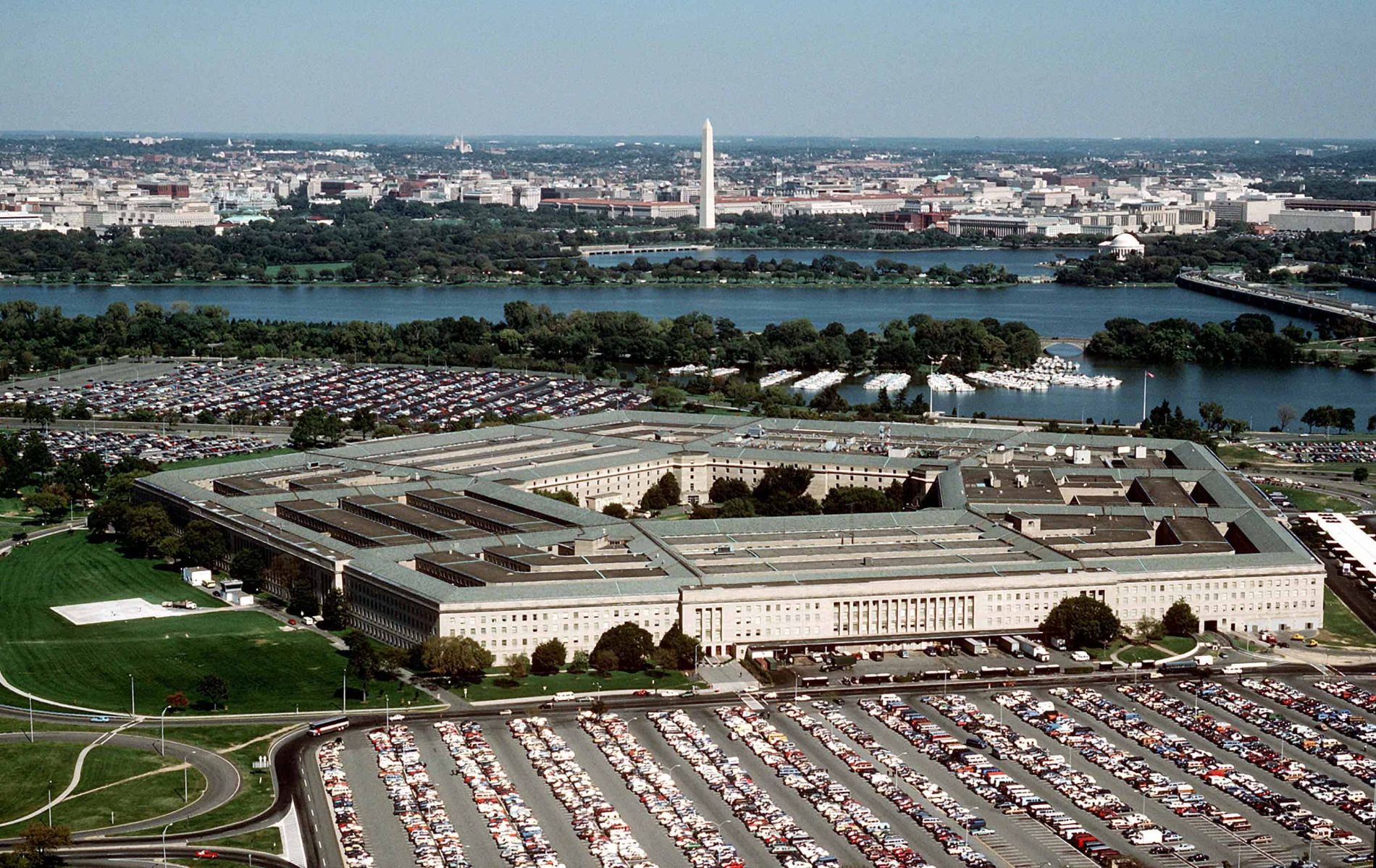
Again, Commercial Window Shield became a leader in installing these films, which are more commonly referred these days as security window films or safety and security window films. Among the more high-profile projects completed by the company were security window film installation contracts at FBI headquarters in Washington and the Pentagon.
turned out to be significant when on Sept. 11, 2001 American Airlines Flight 77 deliberately crashed into the building killing 125 Pentagon workers and injuring scorers more. However, a Pentagon official said casualties and injuries would have been higher if the security film had not been installed since the protected windows on the periphery of the crash area did not shatter.
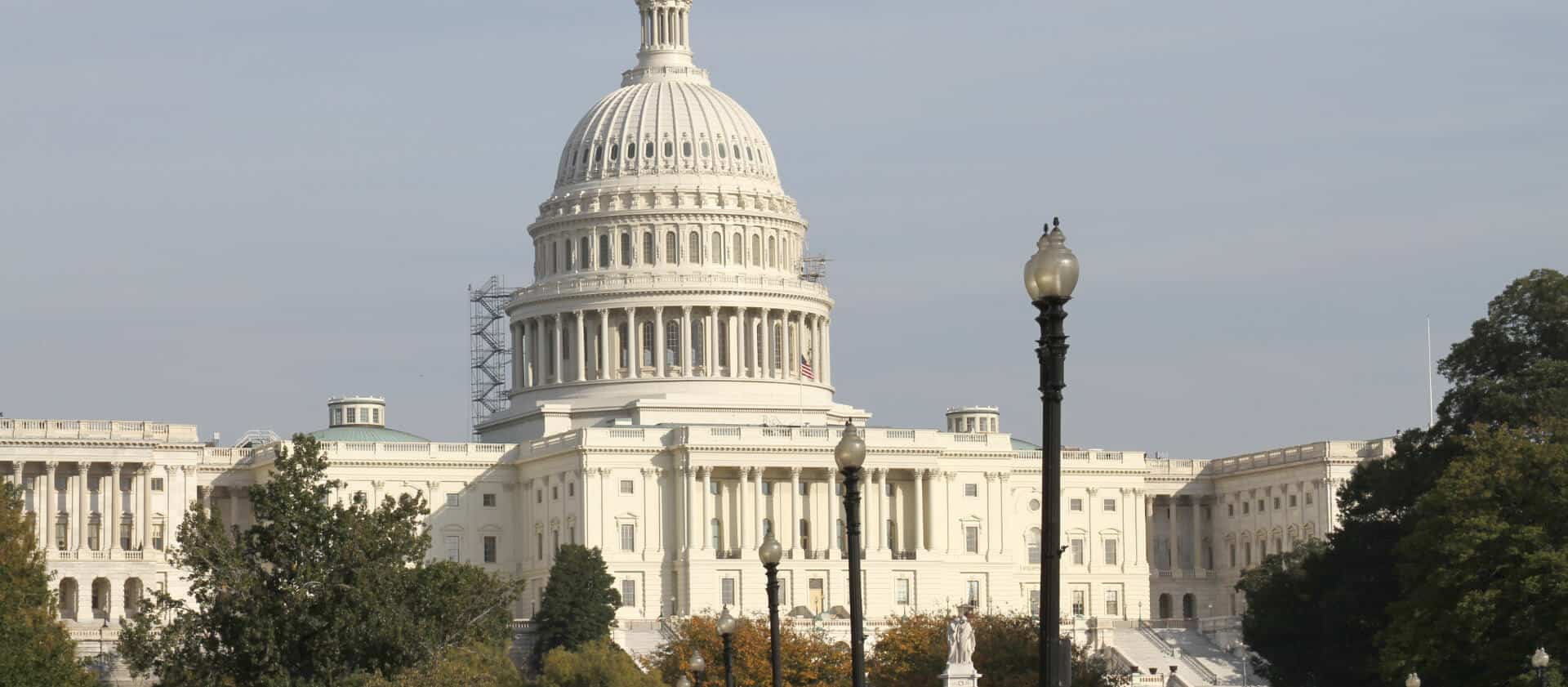
Within a few days the building superintendent of the U.S. Capitol contacted Commercial Window Shield and asked how fast the company could install security window film on the U.S. Capitol, and all the U.S. House of Representative and Library of Congress buildings. The company organized a workforce of more than 80 installers from around the country and completed the project in a stunning 40 days.
The Capitol superintendent, Donald White, was impressed. “The only thing I’ve seen rival a project coordination of this magnitude is a presidential inauguration.”
Following that success and has terrorist acts became more commonplace worldwide, the federal government has stepped up the security of its buildings and the buildings it leases space. [The federal government is the country’s largest tenant.]
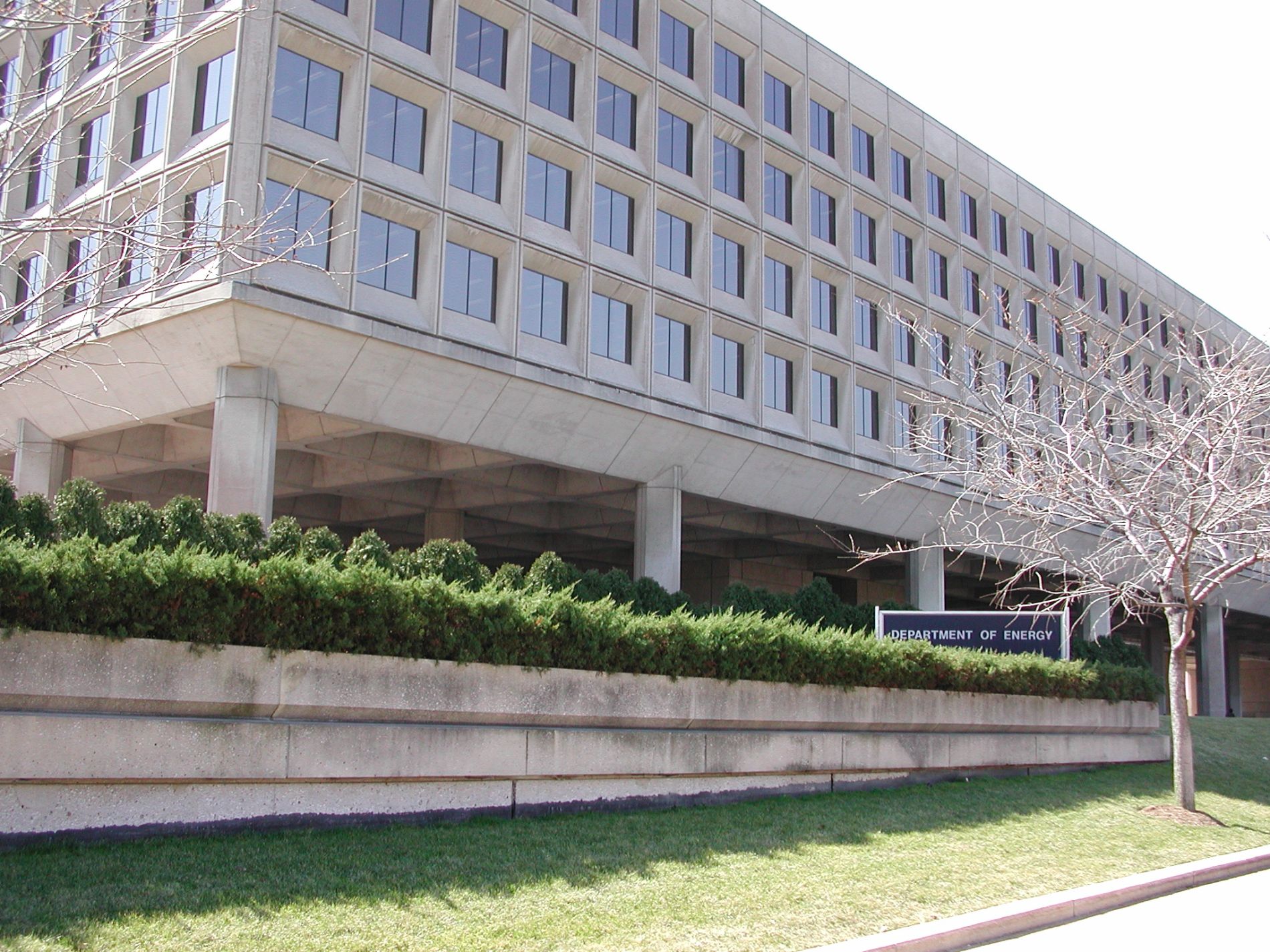
Commercial Window Shield has continued being the go to security window film installer for government. Some other well known buildings protected by fragment retention window films include Department of Energy, Transportation, EPA and Agriculture headquarters; Grand Central Terminal [NYC]; the Willis [former Sears] Tower; O’Hare International Airport [Terminal 1] Tower; and the Philadelphia and Denver mints.
Complete the form and we’ll be in touch.
Monitor your website's performance and resource usage in real-time.
Click "Start Tracking" to begin monitoring page load events and resource performance. The system will track all network requests, loading times, and user interactions to provide comprehensive performance insights.
Real-time mode is now active and continuously monitoring all page load events.
No page is currently set for real-time tracking.
During this session, the page will automatically perform hard refreshes to replicate genuine user interactions and ensure all resources are fetched from the server in real conditions. This allows for precise measurement of load performance and real-time data accuracy.
Your real-time performance tracking session has been successfully completed. All page load events, resource measurements, and user interactions have been captured and analyzed.
The comprehensive performance data is now being processed and will be available in your dashboard shortly.