
Complete the form and we’ll be in touch.
Security window film projects involving multiple buildings present a particular challenge: the same project specifications must be implemented across facilities with different glazing, access requirements, and operating schedules. A school district may need to coordinate installations around classroom activities, while an occupied office building may have limited access to certain spaces.
For owners and facility managers, planning security window film installation across several properties begins with a clear understanding of the work required at each location. Accurate window inventories, realistic schedules, coordination with building personnel, and consistent quality checks help keep the project organized from the initial survey through final completion.
Our security window film overview notes that large-scale projects require careful coordination, phased scheduling, and the ability to work within occupied and security-sensitive environments. This guide explains how that planning works in practice, from the first glazing survey to the final handover in each building.
A multi-building installation requires a consistent overall approach without assuming that every facility has identical conditions.
The project-wide plan should establish the approved film systems, installation requirements, responsibilities, scheduling milestones, and quality-control expectations. Each building then needs its own work plan based on the glazing, occupied areas, access restrictions, and available installation periods.
For example, two buildings may require the same security film but have different window frames, glass configurations, or operating hours. Those differences need to be identified and addressed before installation begins.
| Planning Area | Project-Wide Requirements | Building-Specific Requirements |
|---|---|---|
| Installation scope | Buildings and glazing areas included in the contract | Individual windows, doors, floors, and rooms |
| Film specifications | Approved products and performance requirements | Glazing compatibility and approved exceptions |
| Scheduling | Overall milestones and installation phases | Work periods, room availability, and restricted areas |
| Access and safety | General site requirements and coordination procedures | Entry permissions, escorts, equipment access, and occupied spaces |
| Quality control | Inspection criteria and documentation procedures | Completed openings, corrections, and building handover |
This approach helps the project team maintain consistent standards while accommodating conditions unique to each facility.

A reliable glazing inventory is one of the most useful planning tools for a large installation.
Total glass area is important for estimating materials and labor, but square footage alone does not provide enough information to organize work across several facilities. The project team also needs to know where the glass is located, what type of glazing is present, and whether there are conditions that may affect installation.
A practical inventory should identify:
For projects involving many openings, a consistent window identification system can make this information easier to manage.
If an unexpected glazing condition is discovered in one building, the project team can identify the affected openings and check whether similar conditions exist elsewhere. The same records can be used to track completed work and reconcile quantities at handover.
The inventory should also distinguish verified measurements from preliminary estimates. Where glass or framing details remain uncertain, those openings should be reviewed before the installation method is finalized.
Security window film is installed as part of an existing glazing system. The glass, frame, film, and any specified attachment method must be considered together.
Across a group of buildings, there may be variations in glass thickness, glazing type, frame construction, or previous window modifications. These differences can affect whether the proposed system is suitable for every opening.
Before scheduling the affected work, the project team should confirm the approved film products, applicable technical documentation, glazing compatibility, and attachment requirements.
A specification that applies to one glazing configuration may require additional review before it can be used on another.
For instance, a project may include older single-pane windows, newer insulating glass units, and replacement glazing installed during previous renovations.
Where these differences affect product suitability or the specified installation method, the manufacturer or an appropriately qualified glazing professional should review them.
The same applies to security film attachment systems. If a particular perimeter attachment is required, the applicable frame and installation conditions must support the specified system.
A clear procedure should be established for handling conditions that differ from the approved drawings or specifications.
These may include unsuitable glazing, damaged frames, inaccessible openings, or a proposed substitution in film or attachment materials.
Changes should be reviewed by the responsible project authority rather than treated as routine field adjustments. This is especially important when multiple crews are working at different locations.
Manufacturer construction specifications may also address product submittals, installer qualifications, sample installations, surface preparation, and workmanship acceptance. The applicable requirements depend on the products and contracts governing the project.
Installation schedules need to reflect how each building is used.
On occupied properties, work may affect entrances, classrooms, offices, meeting rooms, or other areas that must remain available during normal operations. Even when the film can be applied without major construction work, installers still need access to the glazing and sufficient space to work safely.
Building-by-building scheduling should therefore be established with the people responsible for daily operations.
School security film projects are often scheduled during summer breaks, holidays, or other periods when fewer students and staff are present.
However, large district-wide programs may involve more buildings than can reasonably be completed during one break. Some facilities may also remain active for summer programs, administrative work, or maintenance.
Where installation takes place during the academic year, work areas and times should be coordinated with school administrators and facility personnel.
Entrances, classrooms, offices, and common areas may need different installation arrangements. Scheduling should also account for examinations, school events, and other periods when access is restricted.
CWS’s experience with school security window film projects demonstrates the importance of coordinating installation requirements with academic calendars and building operations.
Office buildings and other commercial properties present a different set of scheduling requirements.
Installers may need access to tenant spaces, meeting rooms, occupied offices, or areas containing furniture and equipment close to the windows. Building management may also restrict certain activities during normal business hours.
The installation plan should identify which spaces can be made available during the day and which may require alternative arrangements.
Where multiple tenants or departments are involved, advance notification is particularly important. Occupants should know when work is scheduled, which areas will be affected, and whether any preparation is required.
The aim is to maintain access for installers without unnecessarily interrupting building operations.
Government buildings and other security-sensitive properties may require additional coordination before installers can enter work areas.
Personnel identification, approved access lists, escorts, equipment restrictions, and security clearances may influence the installation schedule.
These requirements should be discussed during project planning rather than immediately before crews arrive.
Similar considerations can arise in hospitals, airports, and other facilities where operational or security restrictions limit access to certain areas.
The installation schedule should also account for preparation, equipment access, existing-film removal where required, attachment application, cleanup, and inspections.
Film drying and attachment-sealant curing are separate processes. Their requirements depend on the products and conditions involved.
The project team should follow the applicable manufacturer instructions and confirm any restrictions that may affect subsequent work or use of the glazed areas.
A multi-building project may involve building owners, facility managers, general contractors, security personnel, installers, and technical representatives.
Each party may control a different part of the work. For example, the installation contractor may be ready to begin, but the building’s facilities team may still need to release the work area.
The project plan should identify who is responsible for access approvals, scheduling changes, technical questions, inspections, and completion documentation.
For larger projects, it is useful to designate a primary contact for each building as well as an overall project coordinator.
This provides a clear route for resolving day-to-day issues without involving every project stakeholder in routine scheduling decisions.
Changes are sometimes unavoidable, particularly in existing buildings.
An installation area may become unavailable, existing glazing may differ from the survey information, or another contractor’s work may affect access.
A practical change procedure should establish how the condition will be recorded, who has authority to approve a solution, and whether the change affects the schedule or other buildings.
For general-contractor-led projects, window film installation must also be coordinated with other trades and construction milestones.
CWS’s general contractor services emphasize scheduling coordination, project sequencing, and working within active construction environments.
Inspection should not be left entirely until the final building is complete.
A phased installation provides opportunities to identify workmanship or specification issues early, before similar work is repeated across other locations.
Where required by the project specification, a sample installation or mock-up can help establish expectations for appearance, preparation, attachment details, and workmanship.
The agreed inspection process should then be applied consistently throughout the installation program.
| Project Stage | Recommended Verification |
|---|---|
| Before work begins | Approved specifications, glazing scope, products, and access arrangements |
| Before each area is released | Window identification, glass condition, preparation needs, and area availability |
| During installation | Compliance with the approved installation method and documentation of unexpected conditions |
| At phase completion | Completed openings, workmanship review, cleanup, and outstanding corrections |
| At final handover | Completion records, approved changes, warranties, and maintenance information |
For projects using multiple crews, common inspection criteria help reduce differences in how the work is evaluated.
Any changes to products or installation methods should be documented and approved through the project’s established procedures.
Completion records are particularly valuable when the same owner or facility team manages several properties.
Depending on the contract, the handover package may include the final installation inventory, product information, approved changes, inspection records, warranties, maintenance instructions, and outstanding correction items.
These records help the owner distinguish completed work from work that still requires attention.
They can also provide a reference for later maintenance, warranty questions, and future glazing improvements.
Commercial Window Shield’s published project history provides examples of security window film installations organized across multiple buildings and installation phases.
The projects illustrate different planning challenges, from coordinating crews across distant locations to scheduling around the school calendar.
CWS completed a large security window film project for Harmony Public Schools, covering ground-floor glazing in 74 buildings across several Texas cities.
According to CWS’s published project account, the installation included more than 215,000 square feet of security window film and over 150,000 linear feet of wet-glaze attachment.
The size of the project and its completion requirements led CWS to organize multiple installation teams working simultaneously at different locations.
The Harmony project illustrates why geographically distributed work requires coordinated crews, clear scope information, and consistent installation requirements. Managing the work as one program, rather than a series of unrelated installations, becomes particularly important at this scale.
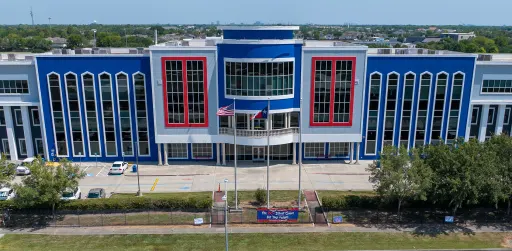
The Hartford Public Schools project demonstrates how a large security film program can progress through successive phases.
CWS initially installed 8-mil security film with wet-glaze attachment on first-floor windows and entryways in five school buildings.
The district subsequently extended the work to nine additional buildings, followed by a third phase covering two more.
In total, 16 school buildings were treated across three phases, which CWS reports were completed on schedule.
Hartford illustrates the importance of maintaining consistent installation requirements and project coordination as work expands beyond the original scope.
At Bellmore Union Free School District in New York, the installation was organized around different areas of three elementary school buildings.
The first phase covered lower-floor windows and entryways. A second phase addressed the upper-floor glazing, with the work completed before the start of the new school year to avoid classroom disruption.
The project also involved clarification of the original security specification. CWS advised that the requested ballistic resistance could not be achieved using the specified security film approach, and the requirement was revised to address anti-intrusion protection.
Bellmore demonstrates two important planning considerations: sequencing installation around building use and confirming that performance requirements accurately reflect the proposed glazing system.
Together, these projects show that multi-building installations do not follow a single scheduling model. The approach must reflect the number and location of buildings, the condition of the glazing, and the operational requirements of each facility.
Before releasing a building or work area for installation, facility managers and project coordinators can use the following checklist to confirm that essential arrangements are in place.
This checklist is a planning aid. The project’s actual installation requirements, technical specifications, and safety procedures must be established by the responsible professionals and governing contract documents.
Multi-building security window film projects require consistency in technical specifications and workmanship, but flexibility in how the work is scheduled and coordinated.
A verified glazing inventory provides the starting point. Building-specific schedules account for occupancy and access. Clear responsibilities and change procedures help keep the work organized, while inspections and completion records provide continuity between phases.
For owners managing schools, government facilities, commercial properties, or other multi-building portfolios, the objective is to complete each installation in accordance with the approved requirements while maintaining control over schedules, building access, and project documentation.
The larger and more complex the installation program, the more important these planning decisions become.
For the film systems, attachment methods, and installation experience behind these projects, see our overview of large-scale security window film installation.
Important Note
This guide provides general information on planning and coordinating multi-building security window film projects. Actual installation, safety, inspection, and closeout requirements depend on the approved specifications, applicable manufacturer instructions, site conditions, and project contracts.
CWS project examples are based on its published project reports and case study, linked in the relevant sections above.
“I’ll Feel More Comfortable Knowing The Installation Has Been Done Correctly If Commercial Window Shield Completes The Work.”
Phyllis Liebman, Senior Construction Manager,
Vornado/Charles E. Smith
Complete the form and we’ll be in touch.